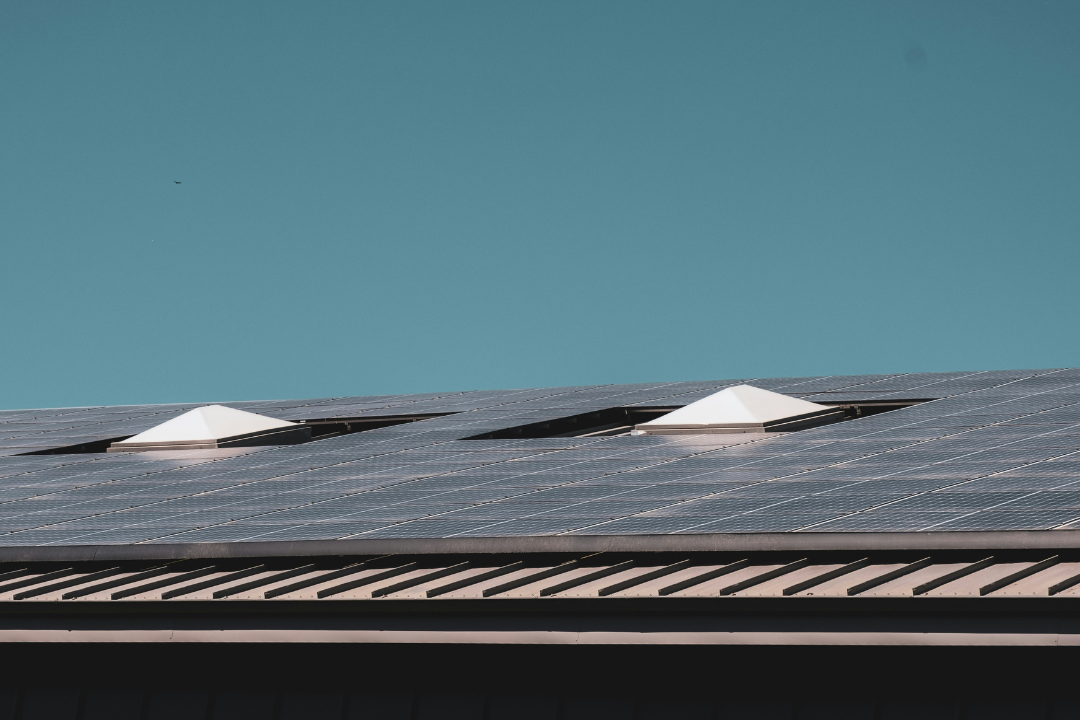
Most homeowners rarely think about what’s happening above the ceiling—but your attic’s airflow has a huge impact on how long your roof lasts and how efficiently your home runs. Proper roof ventilation helps your roof “breathe,” preventing damage, reducing energy costs, and improving comfort indoors. Whether you’re exploring upgrades for a commercial roofer near me in Trinity, FL, or evaluating your home’s attic system, understanding how roof ventilation works is key to maintaining a healthy structure.
1. What Is Roof Ventilation?
Roof ventilation is a system that allows air to flow freely in and out of your attic or roof cavity. It uses intake and exhaust vents to maintain a balanced temperature and moisture level. When done correctly, ventilation helps hot, humid air escape in the summer and prevents condensation in the winter.
Here’s how it works:
- Cool air enters through intake vents (usually along the soffits or eaves).
- Warm, moist air exits through exhaust vents (typically at the roof’s ridge or gable ends).
This continuous cycle keeps the attic from overheating, reduces humidity, and helps your roofing materials last longer.
2. Why Is Roof Ventilation So Important?
Ventilation is one of the most overlooked parts of roof design, yet it’s essential for energy efficiency and durability. Without it, your attic can trap heat and moisture—two of the biggest enemies of a healthy roof.
Benefits of proper roof ventilation include:
- Longer roof life: Prevents warping, rot, and shingle deterioration.
- Lower energy bills: Keeps attic temperatures down, so your air conditioner doesn’t have to work as hard.
- Mold prevention: Reduces moisture buildup that can lead to mildew and insulation damage.
- Better comfort: Keeps living spaces cooler in summer and helps maintain consistent indoor temperatures.
For commercial buildings with flat or low-slope roofs, good ventilation also pairs well with a waterproof roof coating in Trinity, FL to control both moisture and temperature extremes.
3. Common Types of Roof Vents Explained
There are several types of vents that work together to create a balanced system. The right mix depends on your roof style, attic size, and local climate.
Ridge Vents:
These run along the peak of your roof, allowing hot air to escape evenly from the highest point. Ridge vents blend seamlessly with the roofline and are one of the most efficient exhaust vent options.
Soffit Vents:
Located underneath the eaves, soffit vents bring fresh air into the attic. They’re the most common intake vents and are essential for keeping airflow moving. Without proper soffit ventilation, hot air can get trapped in the attic and cause roof damage over time.
Gable Vents:
These vents are installed near the peak of a home’s gable ends. They allow hot air to escape while adding a decorative touch to the roof design. Gable vents are often used in combination with ridge and soffit vents for optimal airflow.
Each vent type plays a unique role. Together, they help prevent heat buildup, balance air pressure, and protect both your roof and your home’s structure from moisture-related issues.
4. Signs of Poor Roof Ventilation
If your home doesn’t have proper ventilation, there are several warning signs to watch for:
- Uneven temperatures or hot upper rooms
- Mold or mildew in the attic
- Rust on nails or metal fixtures
- Peeling paint near rooflines or ceilings
- Higher-than-normal energy bills
Addressing these issues early can prevent extensive roof damage and reduce the need for premature replacement.
5. Roof Ventilation and Waterproofing Go Hand in Hand
In Florida’s humid climate, heat and moisture control are equally important. Combining ventilation with protective coatings can create a powerful defense system for your roof. A waterproof roof coating in Trinity, FL helps reflect sunlight, prevent leaks, and extend the lifespan of both flat and sloped roofs—especially when paired with proper attic ventilation.
A Breath of Fresh Air for Your Roof
A well-ventilated roof performs better, lasts longer, and saves you money. Whether you’re a homeowner looking to improve comfort or a business owner needing a commercial roofer near me in Trinity, FL, for a ventilation inspection, Bee Green Roofing can help.
Contact Bee Green Roofing today to schedule a consultation and discover how professional ventilation and waterproofing solutions can keep your building cool, dry, and protected year-round.